Protecting Nature in a Wired World: My journey with Birds and Power Lines in Iran
Guest blog by Mahmood Kolnegari
From a simple spark to a lifelong path: how my journey began
Before I became involved with power infrastructure, my main focus was environmental protection, especially biodiversity. I spent most of my time identifying rare species, endangered habitats, and the interactions between humans and nature. At the time, few people in environmental circles paid attention to the impacts of power lines on wildlife—and I was no exception.
It all began when I met an electrical engineer. Our discussions, initially casual, soon turned into a storm of ideas and questions about the hidden environmental impacts of power networks. We realized we had discovered a subject still overlooked and underexplored. As a result of those discussions, we decided to present our ideas at the 2013 national conference entitled “Sustainable Ecosystem Development”. That marked the first time I spoke publicly about the effects of power lines on wildlife. Looking back, that presentation was the first real link between me and the subject of birds and power lines—one that would later become a central path in my professional life. Later, through my father’s colleagues in the Ministry of Energy, I was able to dive deeper into the technical side of this issue. What I found was staggering: massive amounts of technical data on bird mortality, wildfires caused by electrocuted birds, and safety risks related to wildlife interactions with infrastructure.
This information—largely missing from environmental discourse—revealed a silent truth: a significant portion of ecological damage stems from infrastructure that we walk past every day without noticing. That was the moment I realized a bridge had to be built between two often-disconnected worlds: technology and nature.
The birth of an institutional idea: Iran’s Birds and Power Lines Committee (IBPLC) After conducting our first mitigation methods around the Mighan Wetland in Markazi Province, we felt the need for a structured and lasting mechanism to expand and systematize our efforts. With the support of Mr. Etezad Moghimi, then head of the HSE department at Tavanir Company, and also Mr. Mohammad Allahdad the CEO of Markazi Power Distribution Company, the Iran’s Birds and Power Lines Committee was established in 2017. The committee’s secretariat was housed inside the provincial distribution company. This committee was born from the collaboration of one electrical engineer with two environmental experts: Ali Akbar Basiri, and Mandana Hazrati, and myself (Mahmood Kolnegari). All practical and executive operations were handled by our three-person team. We launched the committee officially through two expert meetings in Arak, inviting ornithologists, researchers, and utility managers. These events included specialized training sessions, site visits to Mighan Wetland, and a public unveiling of the book “Birds and Power Lines: From Conflict to Solution” by Professor Miguel Ferrer, which had been translated into Persian by our team in 2017 and distributed to all transmission and distribution companies across Iran.
Scientific Achievements
As part of our ongoing efforts, we collaborated with national and international experts to conduct and publish four key scientific studies between 2020 and 2024:
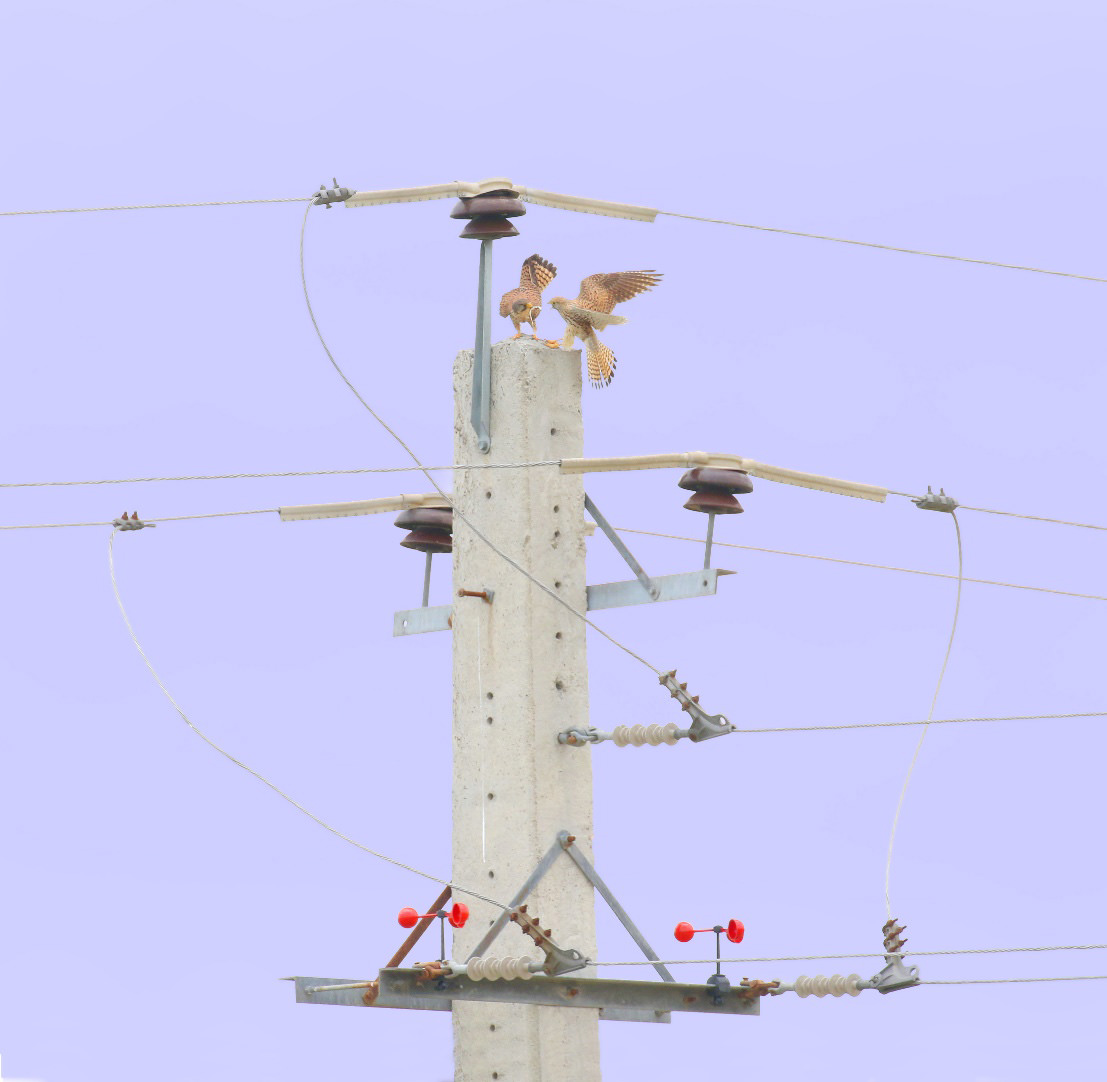
In one study, we demonstrated that installing nest boxes on distribution pylons not only discourages birds from nesting on hazardous components like transformers, but also leads to a reduction in avian electrocution incidents and electrical faults. This research elevated the role of nest boxes from a mere supportive tool to an effective and technically aligned solution for the power sector.
Another study revealed that more than 200 bird-related power outages occurred across Iran in a single year, imposing significant economic costs, creating safety hazards for linemen, and generating public dissatisfaction and service disruption. The findings underline the urgent need for preventive and bird-safe infrastructure.
A third investigation showed that epoxy coatings applied to metallic parts of distribution networks, especially crossarms, significantly prevent contact between birds and conductive elements, thereby minimizing the risk of electrocution and electrical faults. These results were validated through both laboratory testing and field trials, indicating a boost in grid reliability.
In another overlooked area, we studied the role of arcing horns on aerial transformers in distribution lines. Due to their exposed design and lack of insulation, these components are frequent sources of bird electrocution. Our study identified the risk mechanisms and proposed technical solutions to insulate and secure arcing horns, thus preventing future bird-related incidents.
From policy to action: rewriting a critical national guideline
One of our most impactful achievements was revising the existing national guideline used by Tavanir at the heart of the Ministry of Energy. The original document was titled “Combating Bird Strike”, and was intended for power lines operators. We rewrote the document from scratch, even changing the title to reflect a win-win approach, emphasizing coexistence over conflict between birds and power infrastructure.
The new version was approved as a mandatory framework in 2021. This guideline introduced the most modern and effective methods for reducing bird electrocution. But its most significant legacy was this: artificial nests (nest boxes) were formally recognized as a method to prevent bird strikes on power lines. This meant that nest boxes were no longer seen as just a supportive tool—they became a core technical solution to redirect birds from dangerous parts of the grid toward safe nesting structures.
Raising public and technical awareness: from photo contests to a breakthrough workshop
We quickly realized that success required both public awareness and professional engagement. So, we organized two national photography contests titled “Birds and Power Lines” in 2018 and 2019. These contests helped draw attention from linemen and technicians—many of whom had never considered the environmental consequences of the systems they worked with daily.
Through this, we also collected valuable data, such as: “which species suffer the highest mortality”, and “which birds are most likely to nest on power poles”. This data laid the groundwork for my later scientific research, which included citizen science–based studies and crowdsourced data analysis.
In 2019, at a major national conference for the power industry, where all distribution companies were present, we hosted a workshop that was selected as the top-rated technical session. In that workshop: We presented the latest international devices for bird-safe power infrastructure, and for the first time, linemen came face-to-face with a live Long-eared Owl with a broken wing, injured from colliding with wires. The emotional and professional impact was deep. Many experts pledged on the spot to cooperate in future efforts.
National-level action: from local alerts to infrastructure reform
We began collecting reports from all sources—environmental activists, rangers, Iranian Department of Environment’s staff, and even credible media. Each report became a basis for targeted intervention. We sent formal letters to local power authorities, demanding technical modifications and proposing feasible, efficient solutions to protect birdlife.
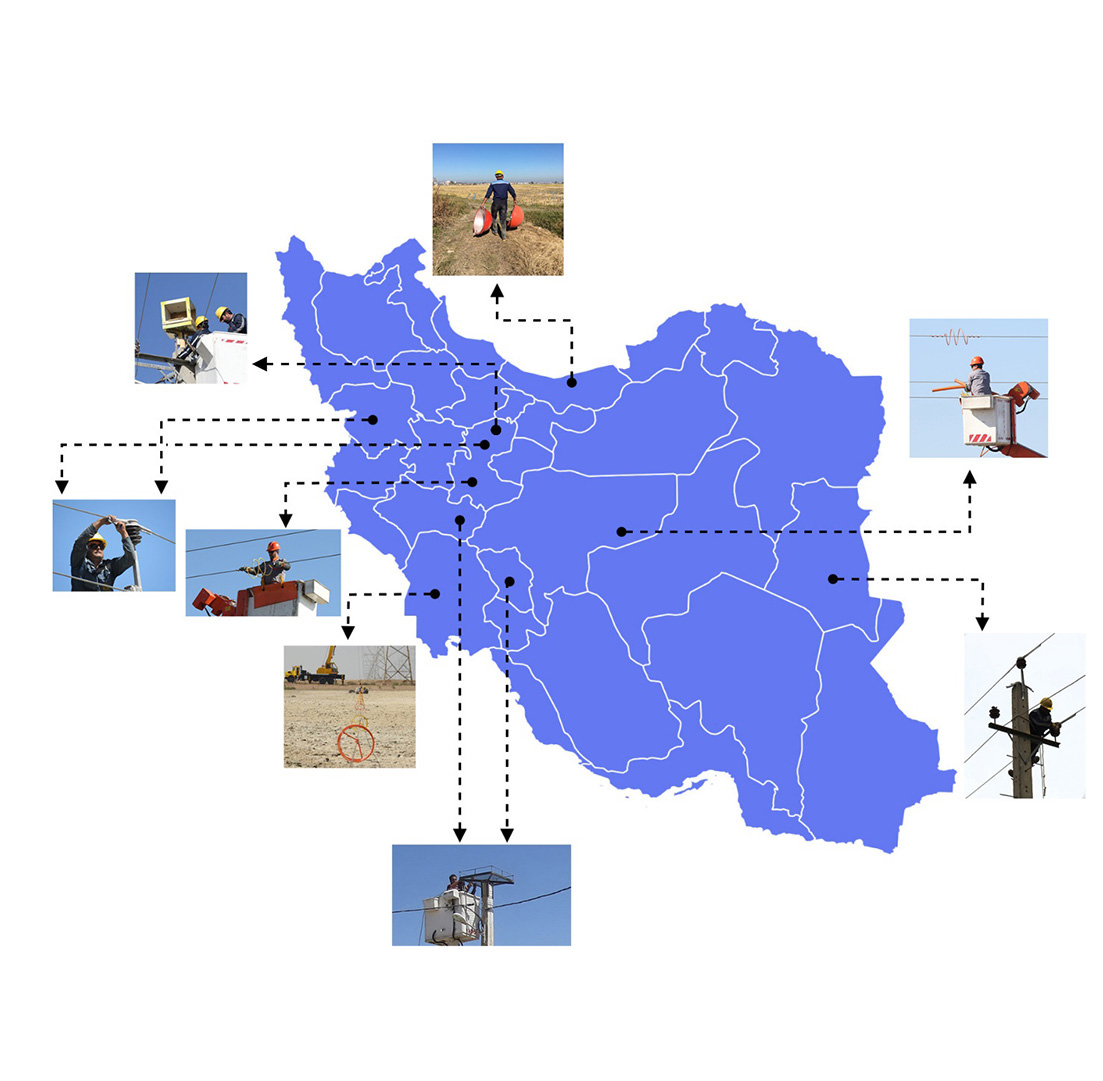
Table 1. Examples of conservation and supportive actions taken by Iran’s Birds and Power Lines Committee and local utilities across Iran between 2015 and 2025.
| # | Province | Area / Habitat | Target Species | Threat / Objective | Action taken | Type | Year |
| 1 | Mazandaran | Sorkhrood Wetland | Whooper Swan | Collision with transmission lines | Bird balls installed on earth wires | Protective | 2016 |
| 2 | Isfahan | Abbas-Abad Protected Area | Houbara Bustard | Collision with distribution lines | Spiral diverters installed on wires | Protective | 2018 |
| 3 | Khuzestan | Shadegan Wetland | Flamingos, Pelicans, Herons | Collision with transmission lines | Spiral diverters installed on wires | Protective | 2020 |
| 4 | Kurdistan | Zarivar Wetland | White Stork | Electrocution on distribution lines | Silicone covers on insulators | Protective | 2021 |
| 5 | Markazi | Mighan Wetland | Lesser White-fronted Goose, Common Crane | Collision with distribution lines | Spiral diverters installed on wires | Protective | 2017-2018 |
| 6 | South Khorasan | Kaji Wetland | Birds of prey | Electrocution on distribution lines | Silicone covers on insulators | Protective | 2018 |
| 7 | Markazi | Arak, Shazand, Khomein, Tafresh, Saveh | Birds of prey (Falconidae) | Breeding support | Nest boxes installed on distribution poles | Supportive | 2015-now |
| 8 | Markazi | Shazand County | European Roller | Breeding support | Nest boxes installed on distribution poles | Supportive | 2020-now |
| 9 | Ilam | Ilam County | Birds of prey (Falconidae) | Breeding support | Nest boxes installed on distribution poles | Supportive | 2019 |
| 10 | Lorestan | BisheDalan Wetland | Birds of prey (Falconidae) | Breeding support | Nest boxes installed on distribution pylons | Supportive | 2020 |
| 11 | Lorestan | BisheDalan Wetland | White Stork | Breeding support | Breeding platform on distribution poles | Supportive | 2020-now |
| 12 | Chaharmahal & Bakhtiari | Gandoman Wetland | White Stork | Breeding support | Breeding platform on distribution poles | Supportive | 2025 |
Looking to the future: regional cooperation and scientific expansion
This work is now continuing as part of my PhD research project at the University of Córdoba in Spain, where I focus on the interaction between power infrastructure and birds, as well as other wildlife species. In parallel, I have started research on the impacts of wind and solar power stations on bird populations.
Meanwhile, the Iran’s Birds and Power Lines Committee in the country remains active, and is now working to form a regional, transnational coalition with neighboring countries. The goal is to secure migratory flyways and reduce threats across borders. Birds connect countries—and their conservation can only succeed through regional cooperation and cross-border action.
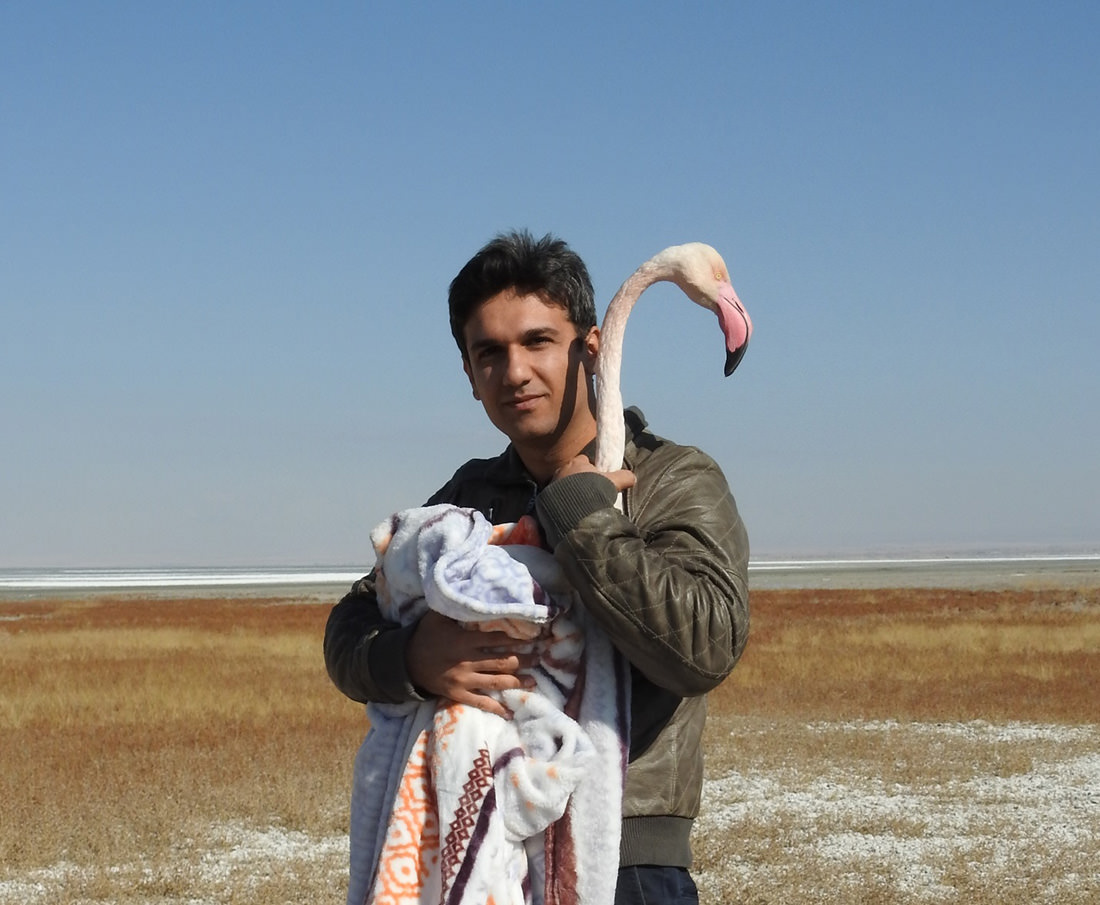
Mahmood Kolnegari, Departamento de Zoología, Universidad de Córdoba, Edificio Charles Darwin, Campus de Rabanales, 14071, Spain.
Email: z32kokom@uco.es