Guest blog by John Edmondson
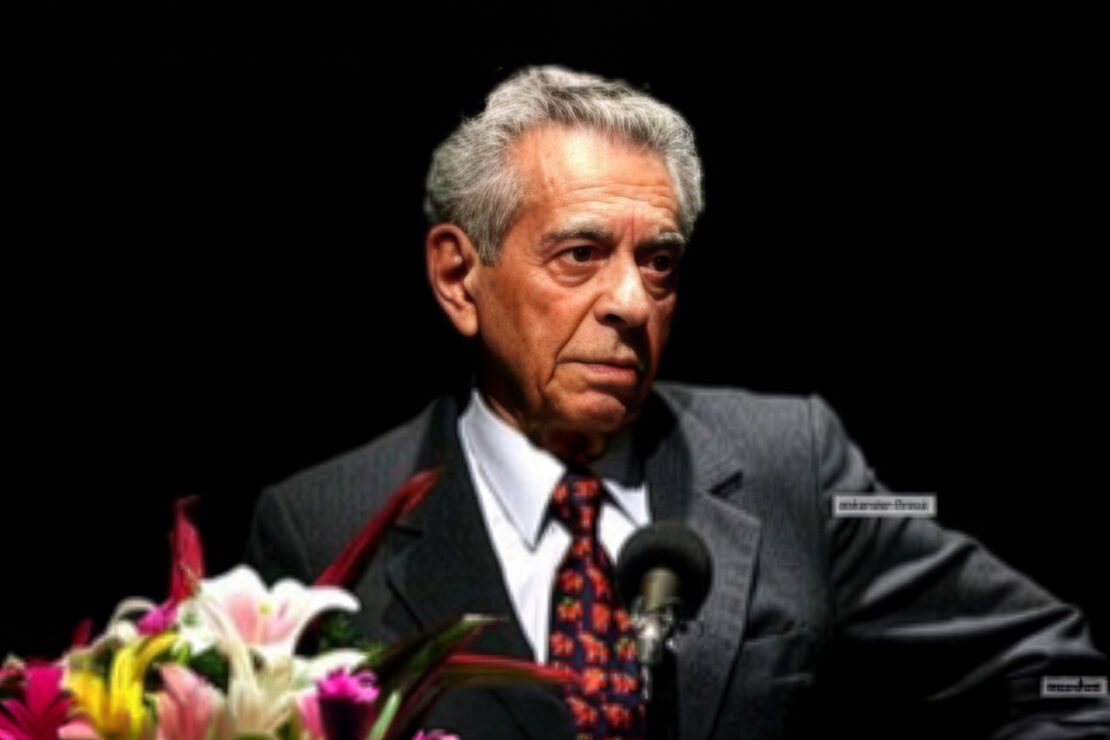
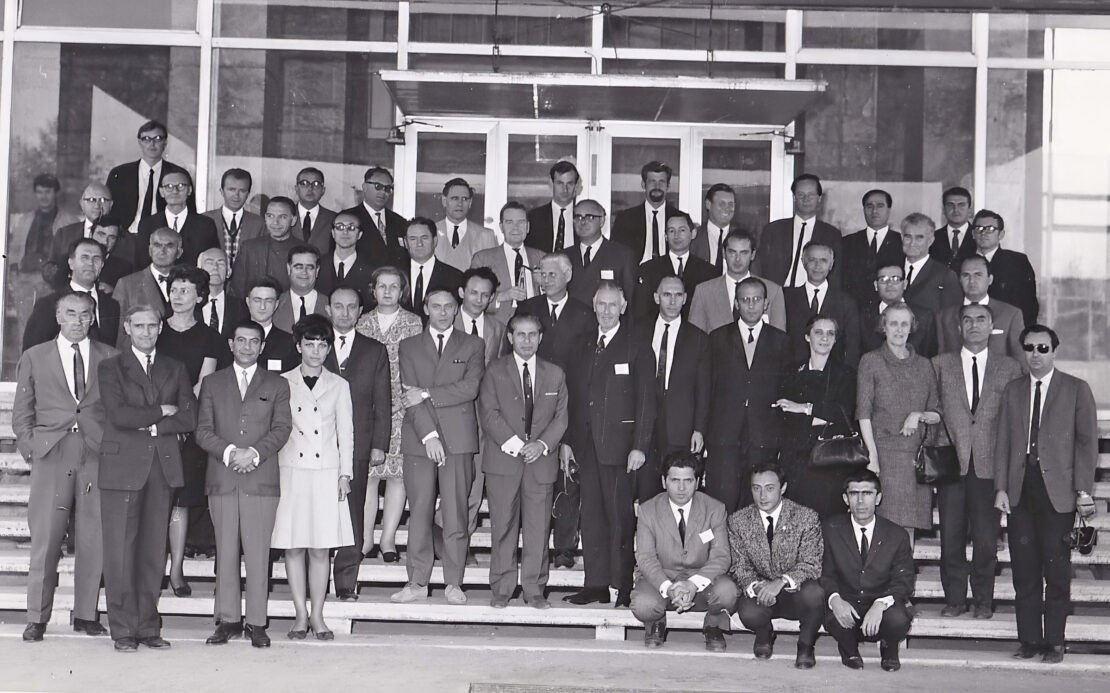
Though a younger generation of ornithologists may not have heard of him, those working in Iran in the 1960s and 1970s owe a lot to his influence and activities. First and foremost, as the Director of the Iranian Department of Environment (DoE) he established a network of more than sixty nature reserves, which are now part of his enduring legacy. Of particular relevance to OSME is that he was the prime mover in launching the Ramsar Convention which aimed to protect wetland habitats worldwide. Starting at a wetlands conference in Turkey in 1967, Firouz rose to the challenge which culminated in a meeting in Ramsar, Iran in 1971. It was this process that helped bring together ornithologists from many countries with a common interest in Middle Eastern bird life, and ultimately to the launch of the Society.
Mr Firouz was born in Shiraz to an influential family of royal descent, part of the Qajar dynasty who ruled Iran up to 1921. One of his cousins was Mohammad Mossadegh, the prime minister of Iran in the early 1950s. Educated at Yale University, he first worked as a civil engineer for a branch of Brown & Root, but his life-long interest in wildlife drew him into contact with the Shah’s half-brother, Abdolreza, who like Firouz had a passion for hunting. Firouz’s transition from big-game hunter to ardent conservationist is recorded in his memoirs, first published in Persian. Their Game & Fish Department, set up to regulate hunting, became the DoE; some of the earliest nature reserves were former royal hunting grounds, such as the Golestan National Park on the western border of Khorasan.
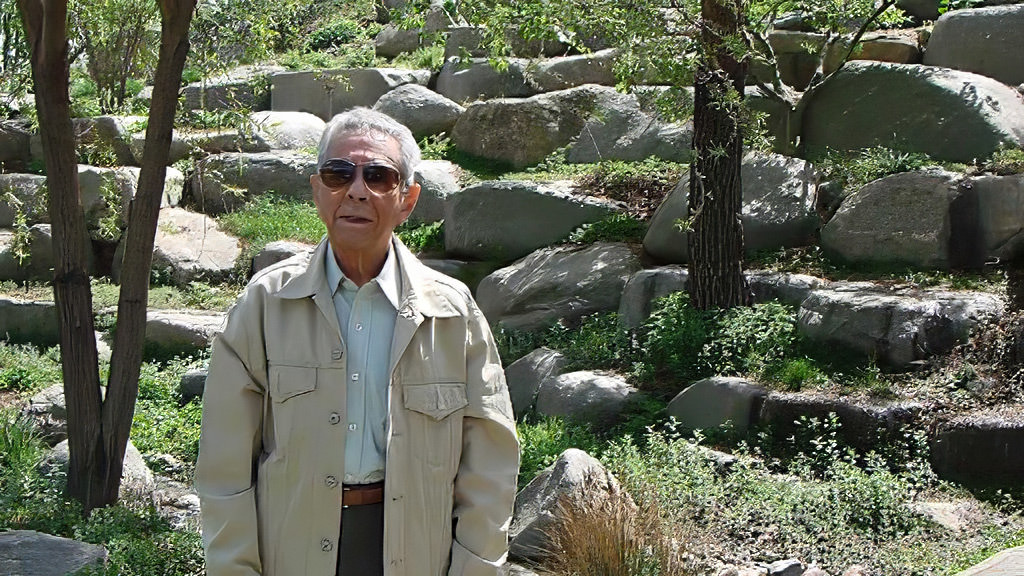
My own involvement in Iran began in 1971 when I joined an expedition that visited Golestan and Muteh reserves undertaking surveys of the wildlife; my focus was on the botany, and I made herbarium collections which contributed to the Flora Iranica project. With the help of Derek Scott, who was employed by the DoE as their principal ornithologist, I returned in 1973 to survey the Sarani and Tandureh reserves in the Kopet Dagh region of Khorasan, and again in 1977 on a joint expedition to Kerman and Yazd with Dr Mostafa Assadi who worked at the national herbarium. He was based at the National Botanical Garden of Iran (TARI), which Mr Firouz had established to promote the ex-situ conservation of Iran’s flora and as an educational resource.
In later life Mr Firouz published several books on Iranian wildlife in both Persian and English, as well as contributing to Encyclopædia Iranica. He is commemorated in several plants named firouzii as well as a Jerboa named Allactaga firouzii, which is endemic to a small area of central Iran.
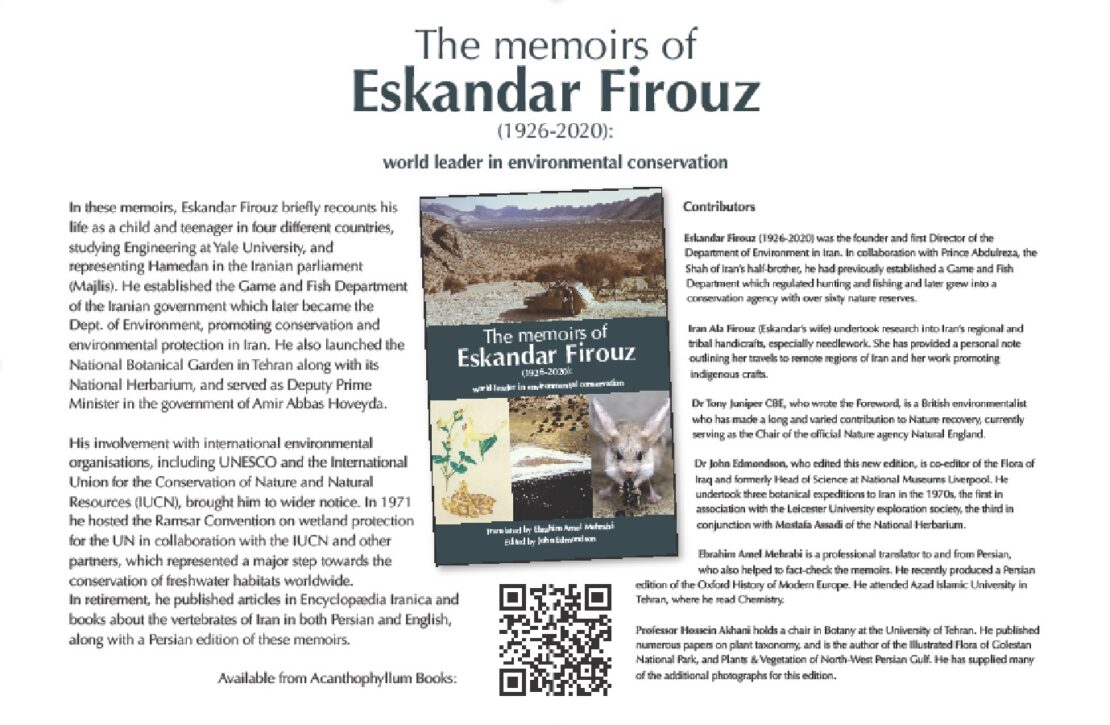
Having met Mr Firouz briefly in 1973 I was keen to read and share his autobiography, so commissioned its translation into English by Ebrahim Mehrabi. The result was a book titled “Eskandar Firouz: world leader in environmental conservation”. It appeared on what would have been his hundredth birthday, 1 August 2026, with a launch on 31 July at the Garden Museum in London. His role in founding the TARI, is less well known than his other achievements, but it is a lasting element of his legacy.
In recent years the staff of the national herbarium and other experts have undertaken a partial revision of Flora Iranica (which also covers Afghanistan), and Dr Assadi became the chief editor of the Flora of Iran in Persian, now completed. It established that there are now 7,371 higher plant species recorded from Iran, with a remarkably high percentage being restricted to that country (28 per cent including subspecies).
Along with Mr Firouz’s original text, his memoir now contains additional photographs some of which were provided by Professor Hossein Akhani of the University of Tehran, whose Flora of the Golestan National Park is another component of Firouz’s legacy. The foreword was written by Tony Juniper, who as Chair of Natural England is Mr Firouz’s counterpart. It was published as a limited numbered edition, but a more affordable e-book is under consideration which would contain many more photographs.

John Edmondson worked on the Flora of Turkey project in the 1970s and undertook fieldwork in Iran, UAE and Oman. More recently he co-edited the Flora of Iraq at the Royal Botanic Gardens Kew, a project that has now been completed.
*International Union for the Conservation of Nature, International Council for Bird Preservation (now BirdLife International) and International Waterfowl & Wetlands Research Bureau (now Wetlands International).