Beyond Illegal Bird Killing: Documenting the Illegal Wildlife Trade through Lebanon and Syria
A guest blog by Michael Sawan introducing a report by the Lebanese Association for Migratory Birds (LAMB)
For many years, conservation efforts in Lebanon have primarily focused on illegal bird killing, an issue that has gained increasing international attention due to Lebanon’s importance along the African-Eurasian migratory flyway. However, another equally alarming conservation crisis continues to receive far less attention: the organized illegal trade and smuggling of wildlife through Lebanon and neighboring countries.
The Lebanese Association for Migratory Birds (LAMB) has spent years investigating and documenting wildlife trafficking routes between Lebanon, Syria. Our work has revealed that these routes facilitate the movement of hundreds of wild and domestic animals across international borders under extremely poor welfare conditions. While many species involved are protected under international agreements such as CITES or are listed on the IUCN Red List, even species considered of Least Concern suffer severe welfare consequences when transported illegally.
This report summarizes our findings, the challenges encountered, and the progress achieved despite operating in one of the region’s most unstable environments.
Bigger Picture
Illegal wildlife trade is often perceived as isolated incidents involving exotic animals or rare birds. Our investigations demonstrate that the reality is far more complex.
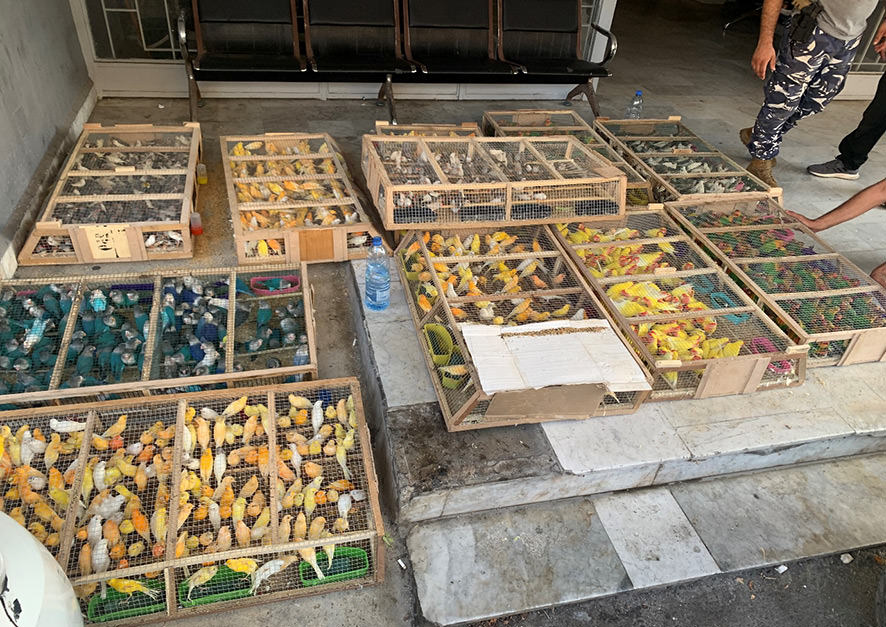
Wildlife trafficking in our region represents a network of organized smuggling operations that move animals between Lebanon, Syria, Iraq, and beyond (Photo 1). The routes are continuously changing, adapting to political instability, border controls, and security situations.
Over recent years, LAMB has identified several smuggling activities and documented evidence between Lebanon and Syria that was officially transmitted to the authorities. Unfortunately, the deteriorating security situation in both countries, combined with periods of armed conflict and political instability, significantly limited law enforcement’s ability to intervene effectively.
Our investigations also indicate that many additional trafficking routes remain undiscovered. The routes currently documented likely represent only a fraction of the existing illegal network.
A Dangerous Investigation
Investigating wildlife trafficking is not comparable to monitoring illegal hunting.
The individuals involved often appear to be ordinary citizens during the daytime, blending naturally into local communities. At night, however, some participate in organized smuggling activities, moving animals across towns, remote border crossings, and international frontiers.
These operations frequently involve networks extending across several countries, making investigations highly sensitive and potentially dangerous.
For conservation organizations such as LAMB, gathering information requires discretion, patience, and careful risk assessment. Unlike government enforcement agencies, NGOs generally lack the legal authority, security resources, or personal protection necessary for confronting organized smugglers directly.
Every investigation therefore requires balancing conservation objectives with the safety of our staff, volunteers, and informants.
What We Have Recorded
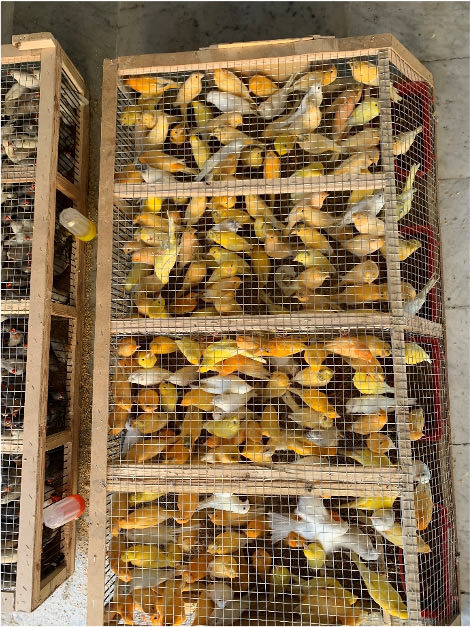
To date, LAMB has documented hundreds of illegally smuggled birds representing a remarkable diversity of species.
These include:
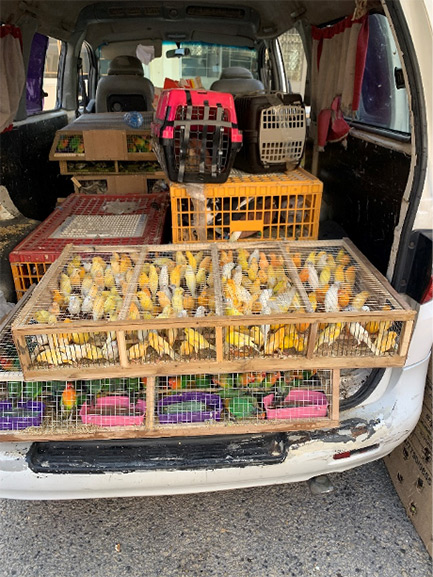
Decorative and companion birds
- Cockatiels
- Lovebirds
- Zebra finches
- Parrots
- Canaries
- Java Finches
- Many other species
Domestic birds
- Chickens of numerous breeds
- Domestic pigeons
- Guinea fowl
- Turkeys
- Peafowl
- Ducks and geese and many other species
Wild birds classified for conservation as Least Concern
Among the wild species frequently encountered were:
- White-cheeked Bulbuls
- Common Starlings
- Black-headed Buntings, European Goldfinches, European Greenfinches, Common Linnets
- Crested Larks
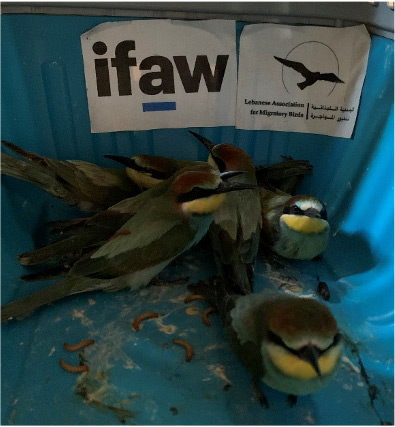
- European Bee-eaters (Photo 5)
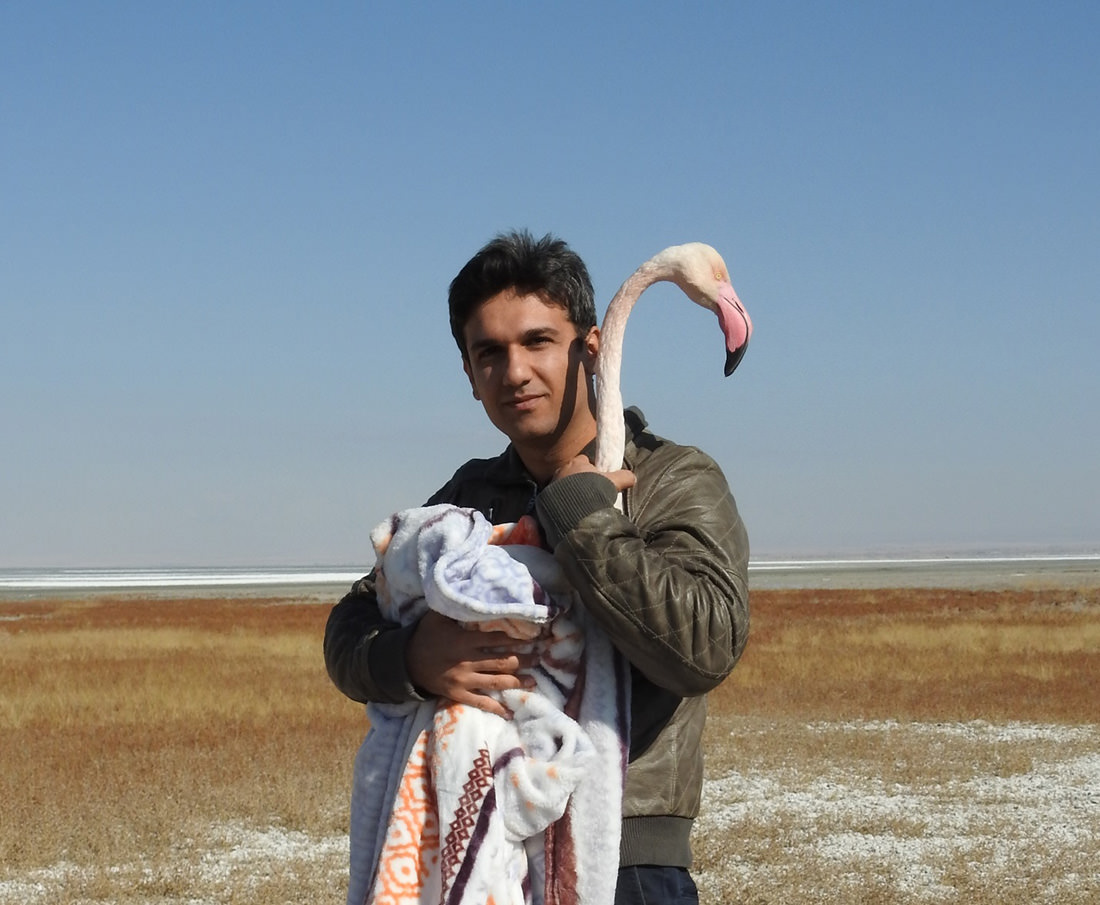
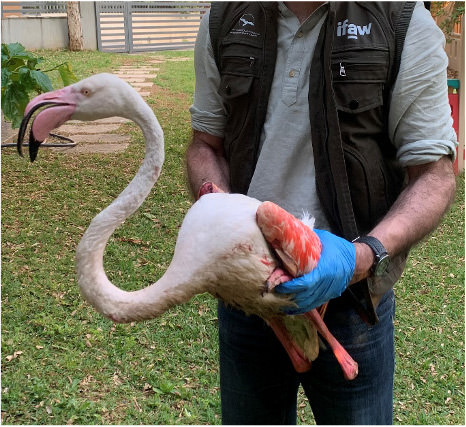
- Flamingos (Photo 6), Pelicans, Cranes and Storks
- Common Quails, Sandgrouse, Corncrakes, Song Thrushes and many other species
Globally threatened or declining species
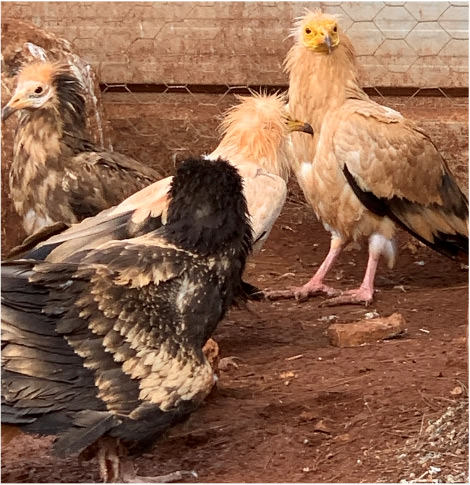
Particularly concerning were records involving species of international conservation importance, including:
- Egyptian Vulture
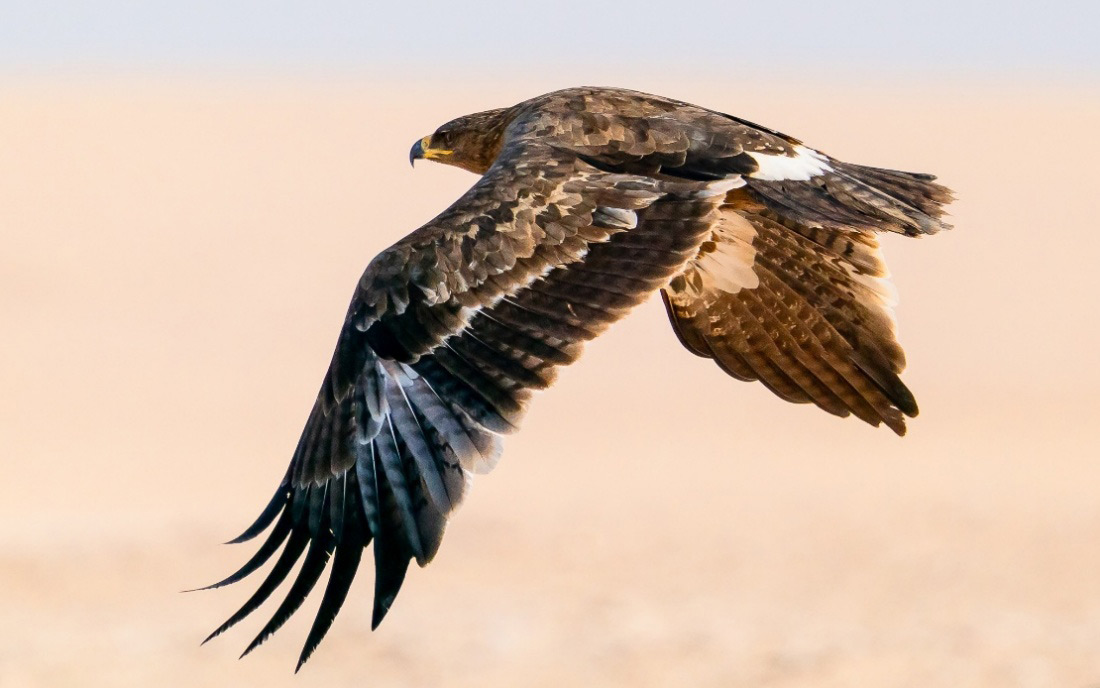
- Steppe Eagle
- European Turtle Dove
- Syrian Serin
- Cinereous Vulture (Photo 8)
- Northern Lapwing and many other species
In addition, we documented numerous illegally traded:
- Falcons
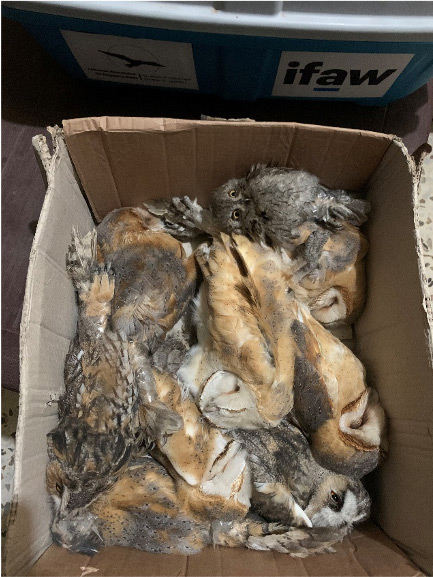
- Owls
- Hoopoes
- Crows
- Ravens
- Woodpeckers
- Many additional migratory and resident bird species.
Other Animals
Birds represent only part of the illegal trade.
Our investigations also documented the trafficking of numerous other animals, including:
- Sugar gliders
- Squirrels
- Rabbits and Hares
- Hamsters
- Lion cubs
- Hyenas
- Tigers
- Bears
- Deers
- Crocodiles
- Greek Tortoises (Testudo graeca zarudnyi) and Sulcata
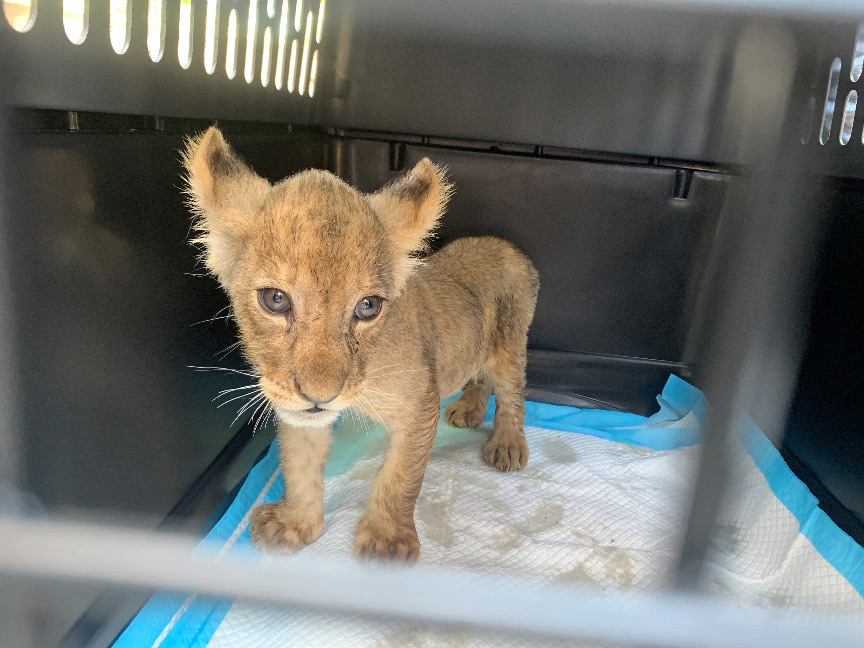
These findings illustrate that wildlife trafficking networks are highly diversified and are driven primarily by commercial demand rather than species conservation status.
Animal Welfare: An Overlooked Crisis
Illegal wildlife trafficking is not solely a conservation issue. It is also a major animal welfare problem. Animals are frequently transported inside overcrowded cages, bags, cardboard boxes, or concealed compartments with little ventilation, food, or water. Many individuals die before reaching their destination. Others suffer permanent injuries, dehydration, starvation, broken feathers, fractures, infections, or severe stress. Sadly, mortality often continues even after successful confiscation.
In Lebanon, confiscated wildlife frequently passes through a lengthy administrative process involving the Lebanese Army, Internal Security Forces, judicial authorities, the Ministry of Agriculture, and finally licensed rehabilitation centers, NGOs, or public zoological facilities.
These procedures can take considerable time, reducing the chances of survival for already weakened animals.
Improving emergency response protocols and accelerating legal procedures would significantly increase survival rates following confiscation.
Challenges Faced During Our Work
Documenting illegal wildlife trafficking in Lebanon presents numerous challenges.
Limited law enforcement capacity
Although several Internal Security Forces officers have shown genuine commitment to conservation, wildlife trafficking is often not treated as a priority due to limited personnel and competing national security responsibilities.
Security concerns
Political instability, armed conflict, and regional insecurity have severely complicated field investigations and reduced opportunities for coordinated enforcement.
Secrecy of trafficking routes
Smuggling networks constantly modify routes, making intelligence gathering difficult and requiring long-term monitoring.
Lack of personal protection
Conservation personnel investigating organized trafficking often operate without sufficient security measures or institutional protection.
Wide geographical distribution
Trafficking routes extend across mountains, border regions, remote villages, and multiple countries, requiring substantial logistical resources.
Slow administrative procedures
The process following confiscation remains lengthy, involving several governmental institutions before animals can finally reach qualified rehabilitation centers or authorized public zoological facilities.
Achievements
Despite these challenges, LAMB has achieved several important conservation successes.
Numerous official complaints and intelligence reports have been submitted to the competent Lebanese and Syrian authorities. Although confirmed responses have been limited, these reports contribute to a growing body of evidence regarding wildlife trafficking in the region.
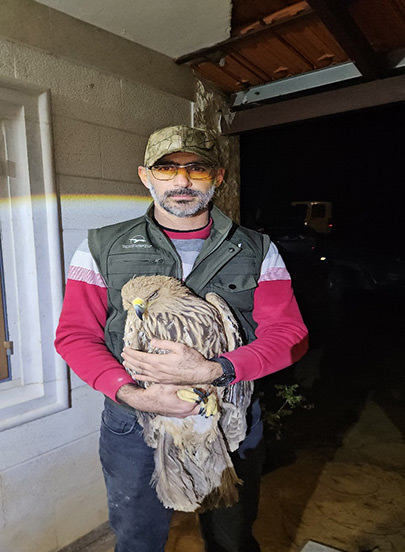
Working alongside law enforcement partners whenever possible, LAMB successfully participated in confiscating numerous illegally traded animals, including Owls, Woodpeckers, Egyptian Vultures, eagles and falcons, Various passerines, song birds, Greek Tortoises and some mammals and reptiles.
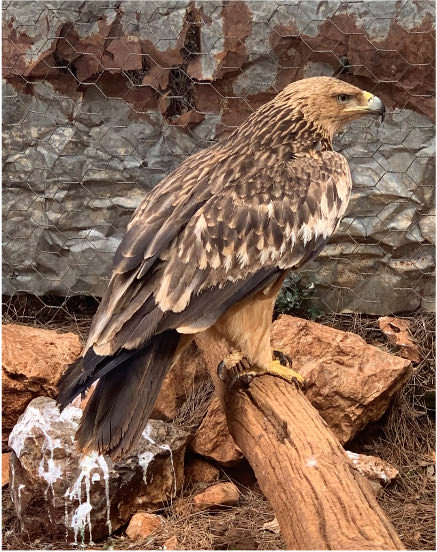
One of our most significant achievements involved an Eastern Imperial Eagle named Felix that had originally hatched in Serbia and had been fitted with a scientific tracking device by BirdLife Serbia. The bird was captured illegally in Syria and repeatedly smuggled between Syria and Lebanon. Its story was spreading fast across Europe and the Middle East. Following interception by LAMB and collaboration with the relevant authorities and international partners, the eagle was successfully returned to Serbia, representing an outstanding example of international conservation cooperation.
Building upon this experience, LAMB is currently working to transfer several confiscated Egyptian Vultures outside Lebanon to specialized rehabilitation institutions capable of providing long-term care and, where possible, eventual release.
Looking Forward
Illegal wildlife trafficking remains one of the least visible conservation crimes affecting the Middle East. The scale of the trade extends well beyond individual poaching incidents, involving organized cross-border networks that threaten biodiversity, undermine international conservation agreements, compromise animal welfare, and create biosecurity risks.
Addressing this issue requires stronger regional cooperation between governments, customs authorities, police, conservation organizations, veterinary authorities and international partners.
For LAMB, documenting wildlife trafficking is not merely about recording crimes. It is about giving a voice to animals that cannot speak for themselves, exposing hidden threats to biodiversity, and strengthening the regional response against one of the world’s fastest-growing forms of organized environmental crime. Our investigations continue. Although many trafficking routes have already been identified, many others remain hidden.
Only through sustained cooperation, improved enforcement, and increased public awareness can these networks eventually be dismantled, protecting both wildlife and the ecosystems upon which future generations depend.
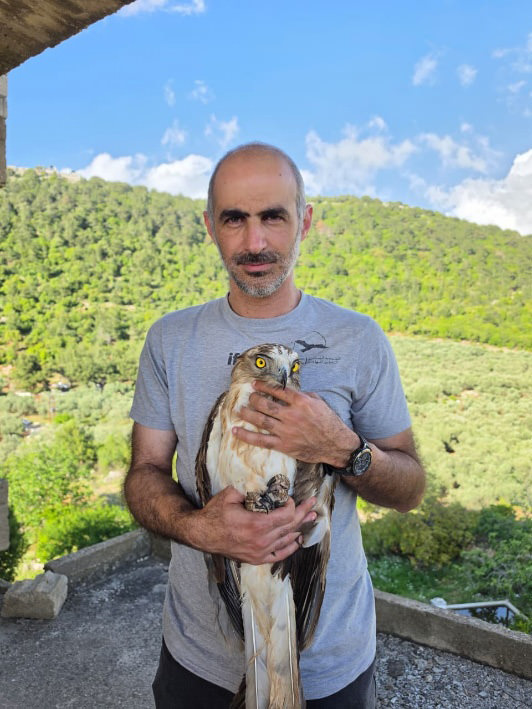
Dr Michel Sawan is president of the Lebanese Association for Migratory Birds (LAMB) and a Lebanese bird expert and conservationist dedicated to the rescue, rehabilitation, and protection of wild birds, particularly raptors and migratory species. He is a leader in the field of wildlife conservation and anti-poaching, and anti-smuggling actions, working to combat the illegal capture and trade of wild birds while promoting awareness and stronger protection of Lebanon’s biodiversity.