New Global Action Plan for science-based conservation across the Steppe Eagle’s entire flyway
Guest blog by Yoana Mihaylova, Programme Support Intern, Raptors MOU
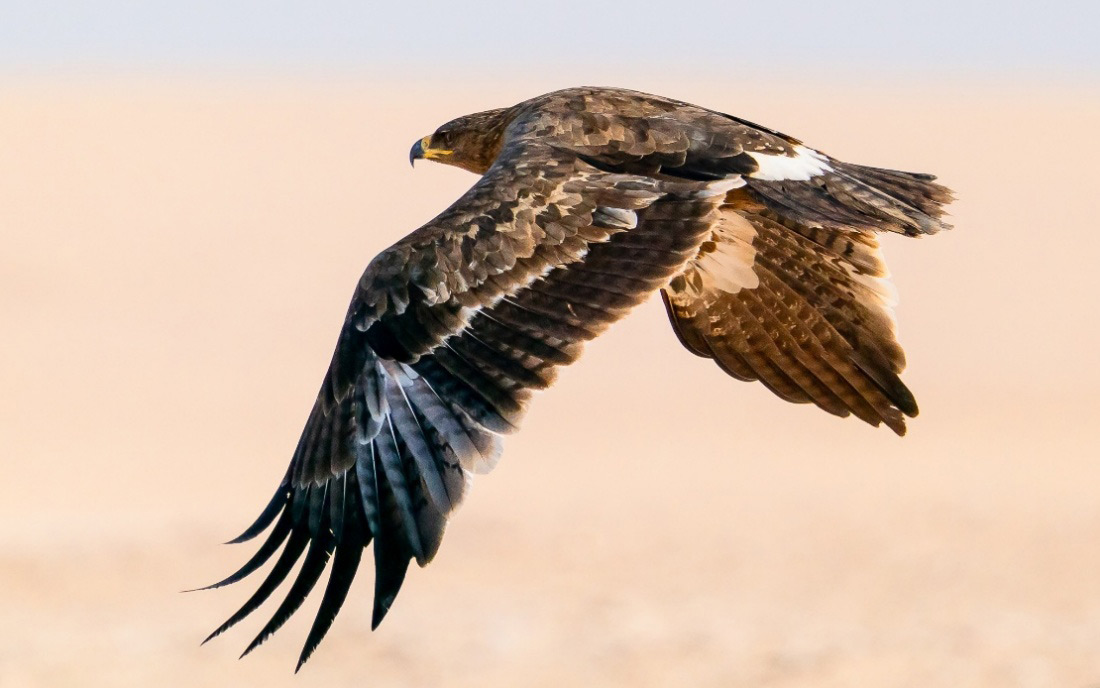
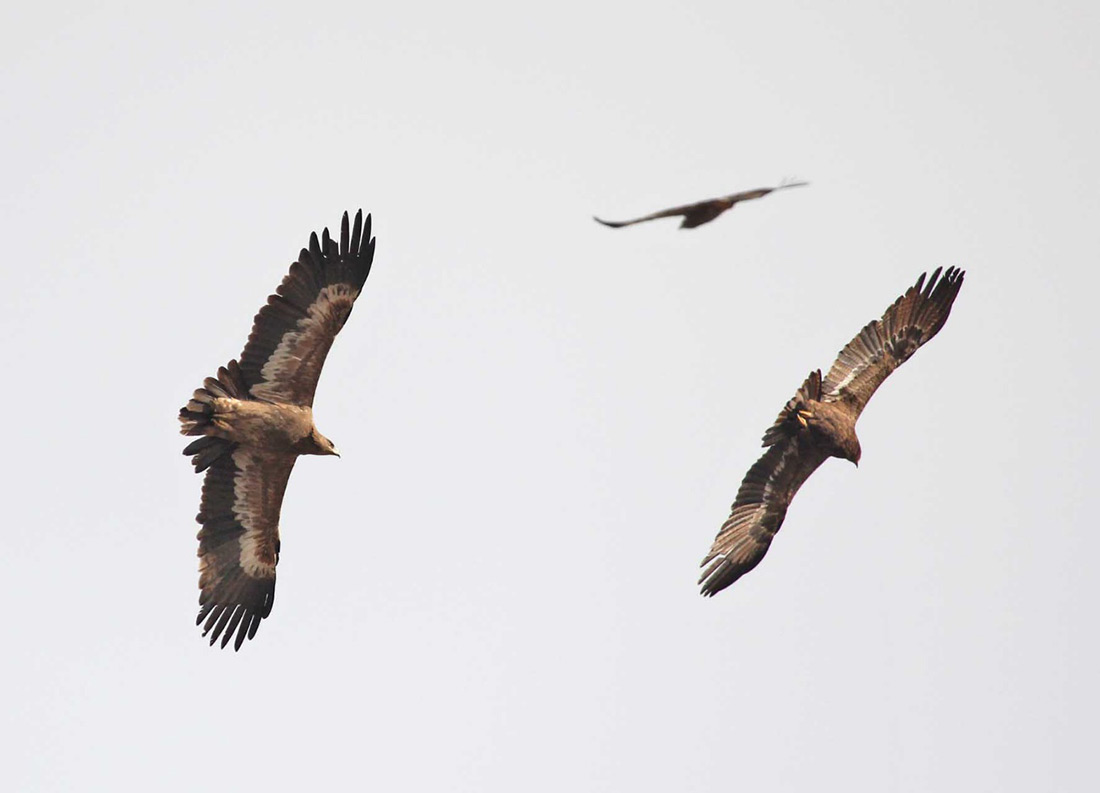
Across the vast grasslands of Central Asia, over deserts in the Arabian Peninsula, and along ancient migratory flyways stretching into Africa and South Asia, one of the world’s great raptors is fighting for survival. The Steppe Eagle (Aquila nipalensis), once considered the most abundant large eagle on Earth, has experienced a dramatic population collapse over recent decades. Today, fewer than 30,000 breeding pairs are believed to remain worldwide, and the species is classified as Endangered on the International Union for Conservation of Nature (IUCN) Red List. Now, an ambitious new international framework aims to change that trajectory.
The Global Action Plan for the Conservation of the Steppe Eagle (2026–2035) aims to reverse this trajectory by setting out a coordinated ten-year strategy built on science-based conservation, international cooperation, and community engagement. The plan brings together governments, conservation organizations, researchers, industry, and local communities across the species’ entire range, with the clear goal of ensuring that future generations can continue to witness the spectacular migration of Steppe Eagles across the African-Eurasian flyways.
From the Eurasian Steppe to African Skies
The Steppe Eagle ranges from European Russia and Anatolia across Central and East Asia, with Kazakhstan supporting most of the global breeding population. Each year, the species migrates thousands of kilometres through key ecological bottlenecks to the Arabian Peninsula, Sub-Saharan Africa, and South and Southeast Asia.
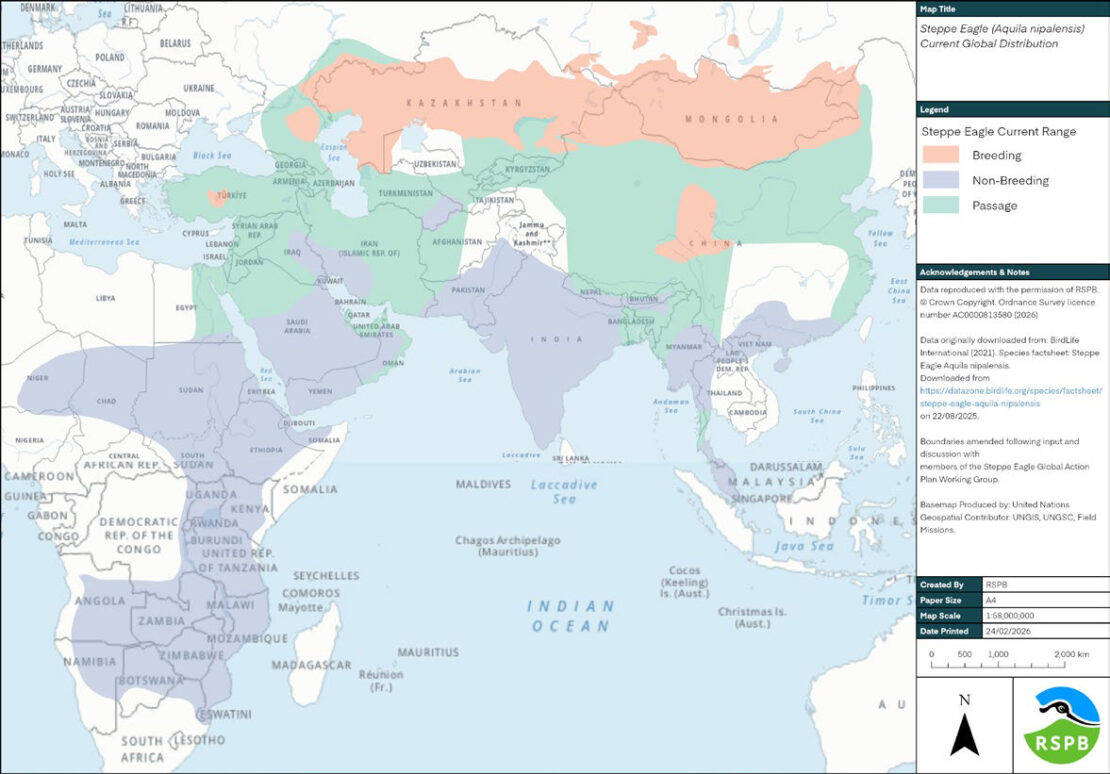
This immense range makes conservation particularly complex, as threats arise at every stage of the bird’s annual cycle (on breeding grounds, along migration routes, and in wintering areas), meaning that no single country can protect the species alone. To address this, the Action Plan has been developed under the international conservation framework of the Convention on Migratory Species (CMS) and its Memorandum of Understanding on the Conservation of Migratory Birds of Prey in Africa and Eurasia (Raptors MOU), with support from organizations such as the Royal Society for the Protection of Birds (RSPB) and the Association for the Conservation of Biodiversity in Kazakhstan (ACBK). This framework emphasizes the urgent need for cross-border collaboration to protect migratory species that depend on multiple ecosystems and nations throughout their lives.
A Roadmap for Conservation Action
At the heart of the Action Plan are six overarching goals designed to guide conservation efforts between 2026 and 2035, including reducing mortality from energy infrastructure, addressing illegal killing and trade, mitigating poisoning risks, improving habitat quality, closing key scientific knowledge gaps, and strengthening international cooperation and outreach.
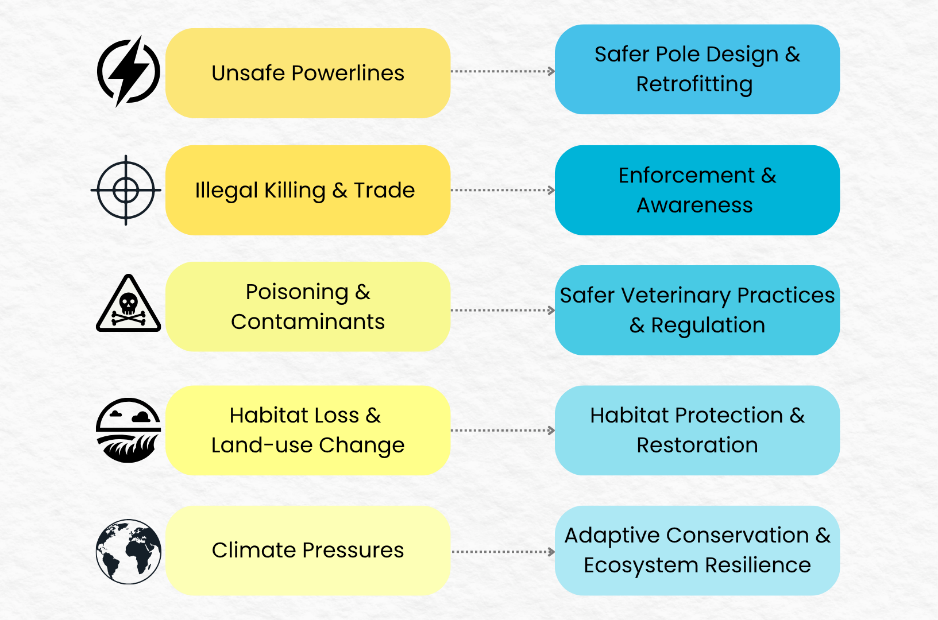
To support these goals, the plan outlines 49 targeted actions across the species’ life cycle and geographic range, while emphasizing the need for adaptive management supported by ongoing monitoring, research, and data sharing, with tools such as satellite tracking, migration studies, and coordinated international research playing a central role in shaping future conservation responses.
Energy Infrastructure and the Cost of Migration
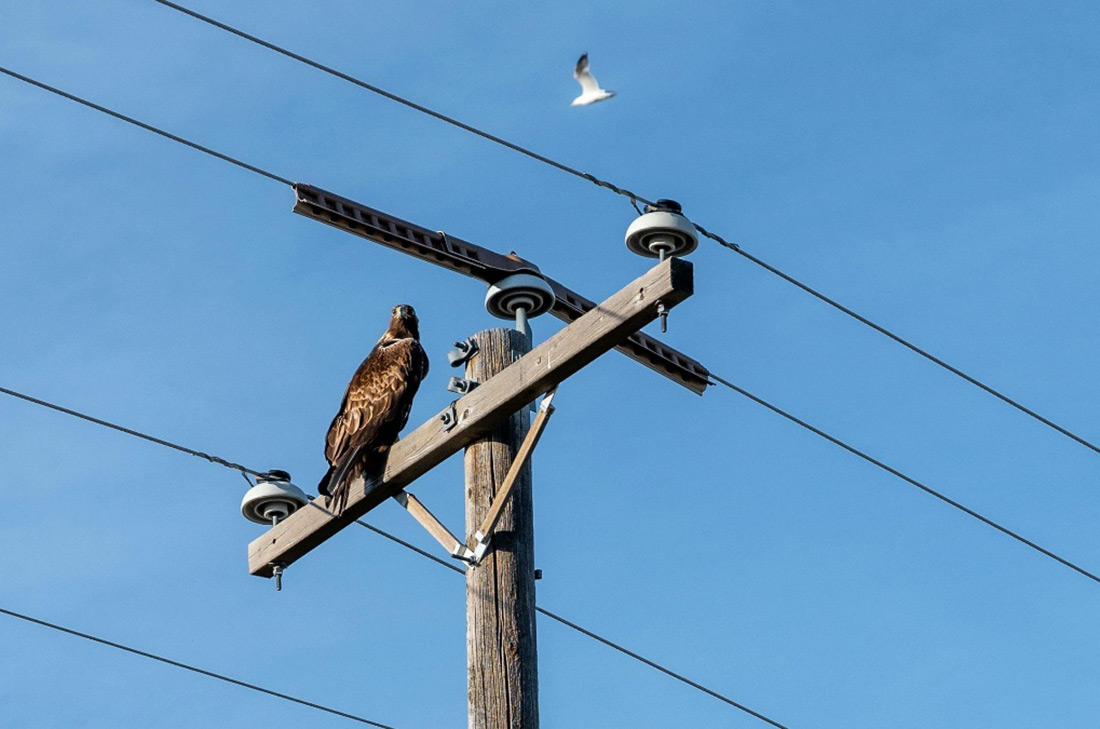
Among the most significant threats to the Steppe Eagle is energy infrastructure. Unsafe powerlines and poorly designed production structures cause electrocution when birds perch on pylons, while collisions with cables and wind turbines contribute to further mortality. Across parts of Central Asia and the Middle East, thousands of raptors are believed to die annually from these hazards, which is especially damaging to a long-lived species with slow reproductive rates, as even small increases in adult mortality can have severe impacts on populations.
The Action Plan therefore prioritizes practical measures such as retrofitting dangerous power poles, improving infrastructure design standards, identifying high-risk areas along migration routes, and working directly with energy companies to reduce risks before new developments are built. The Action Plan does not position renewable energy as incompatible with conservation. Instead, it calls for smarter planning and wildlife-sensitive infrastructure that supports both biodiversity and the global transition to cleaner energy systems.
The Ongoing Threat of Illegal Killing
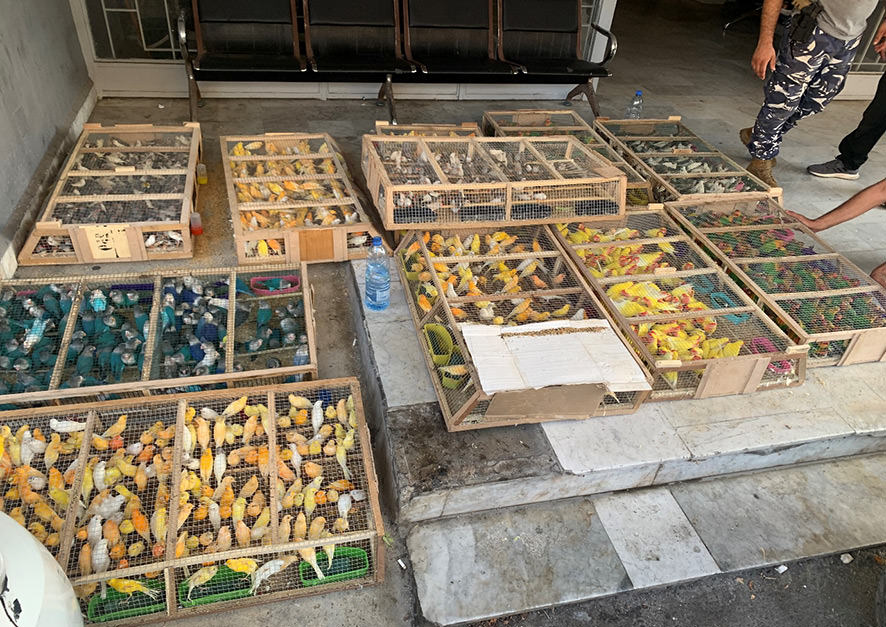
Despite legal protections across much of its range, the Steppe Eagle continues to face illegal killing, trapping, and trade. In some regions, birds are hunted intentionally, while in others they are captured for trade or killed accidentally during hunting activities. Online wildlife markets have added a new dimension to the problem, enabling illegal trade networks to operate more easily across borders.
The Action Plan calls for stronger law enforcement, improved monitoring of online trade, closer cooperation between customs and wildlife authorities, and targeted awareness campaigns in regions where illegal killing remains common. Conservationists increasingly recognize that enforcement alone is insufficient and long-term success depends on working with local communities to develop solutions that acknowledge cultural traditions, economic realities, and local knowledge.
The Growing Threat of Contaminants
Less visible but equally serious is the growing threat of poisoning, driven by pesticides, veterinary drugs, and other toxic substances present across much of the species’ range. Of particular concern is exposure to certain veterinary drugs such as Non-Steroidal Anti-Inflammatory Drugs (NSAIDs), which have already caused major declines in vulture populations in parts of Asia. Heavy metals and agricultural contaminants can also accumulate in the food chain, weakening birds or causing direct mortality.
Because Steppe Eagles often scavenge at carcass disposal sites and landfills, especially outside the breeding season, they are particularly vulnerable to toxic exposure. The new Action Plan seeks to prioritize research on poisoning pathways while promoting safer veterinary practices, improved carcass disposal systems, and stronger regulation of harmful substances.
Environmental Change and Declining Habitats Across the Range
The Steppe Eagle is increasingly affected by environmental change, as shifting land use, agricultural intensification, infrastructure expansion, and climate-related ecosystem changes alter habitats, reduce prey availability, and can potentially limit breeding success. Small mammals, which are a key source of food for the Steppe Eagle, are particularly sensitive to these pressures.
The Action Plan emphasizes the protection and restoration of steppe ecosystems, recognizing that Steppe Eagle conservation is inseparable from broader landscape conservation, which also benefits many other species that depend on grassland and semi-desert habitats.
From Local Action to Global Impact
The future of the Steppe Eagle relies on coordinated efforts across continents: a bird that breeds in Kazakhstan, winters in East Africa, and migrates through the Arabian Peninsula depends on safe habitats, effective legal protection and fewer threats along its entire journey.
Although this complexity presents challenges, it also highlights the potential for international collaboration. Members of the Ornithological Society of the Middle East and Central Asia can play a crucial role by identifying key Steppe Eagle sites, tracking population trends during breeding, migration, and wintering periods, and assessing emerging threats across its range. The coming decade will be critical in determining whether the Steppe Eagle continues to decline or begins to recover, and coordinated action could help secure the future of one of the world’s most remarkable migratory raptors.

After completing an MSc in Environmental Sustainability at the University of Edinburgh, Yoana joined the UNEP/CMS Secretariat in Bonn as a Public Information Intern, contributing to the global campaign World Migratory Bird Day. She later undertook a Programme Support Internship with the CMS team in Abu Dhabi, working on projects for the Raptors and Dugong MOUs. Bringing together interests in environmental and social issues, she enjoys projects that foster communication, collaboration, and meaningful connections. Her work is driven by a genuine commitment to environmental stewardship and helping people and nature thrive together.