Bustard Multi-species Action Plan – A Call for Partnership for Bustard Conservation
Guest blog by Mimi Kessler
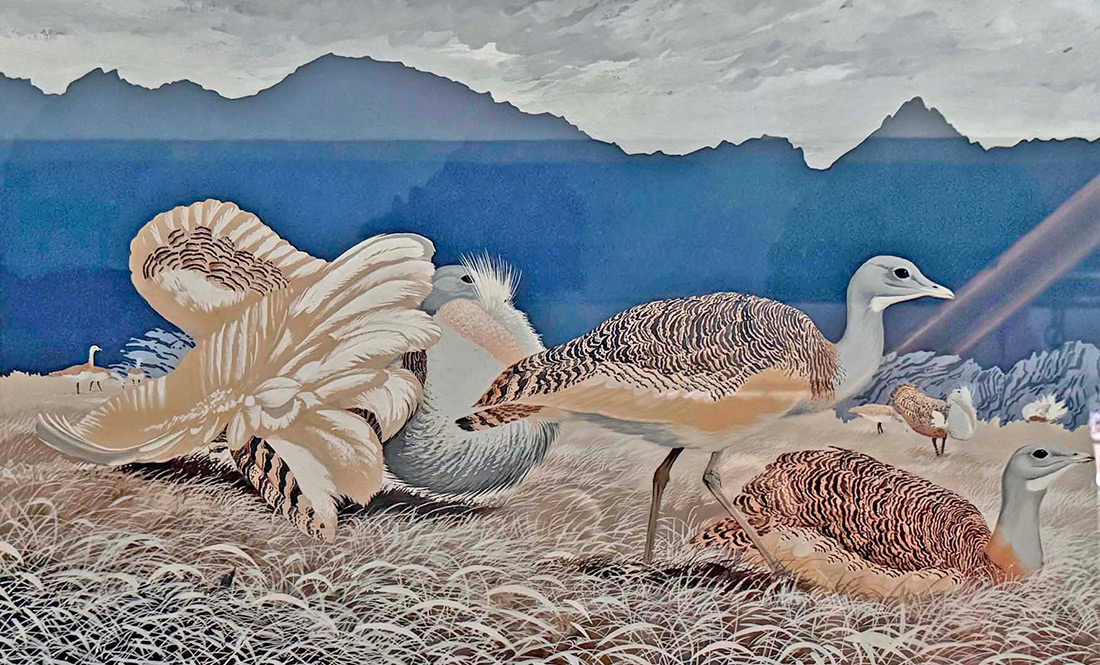
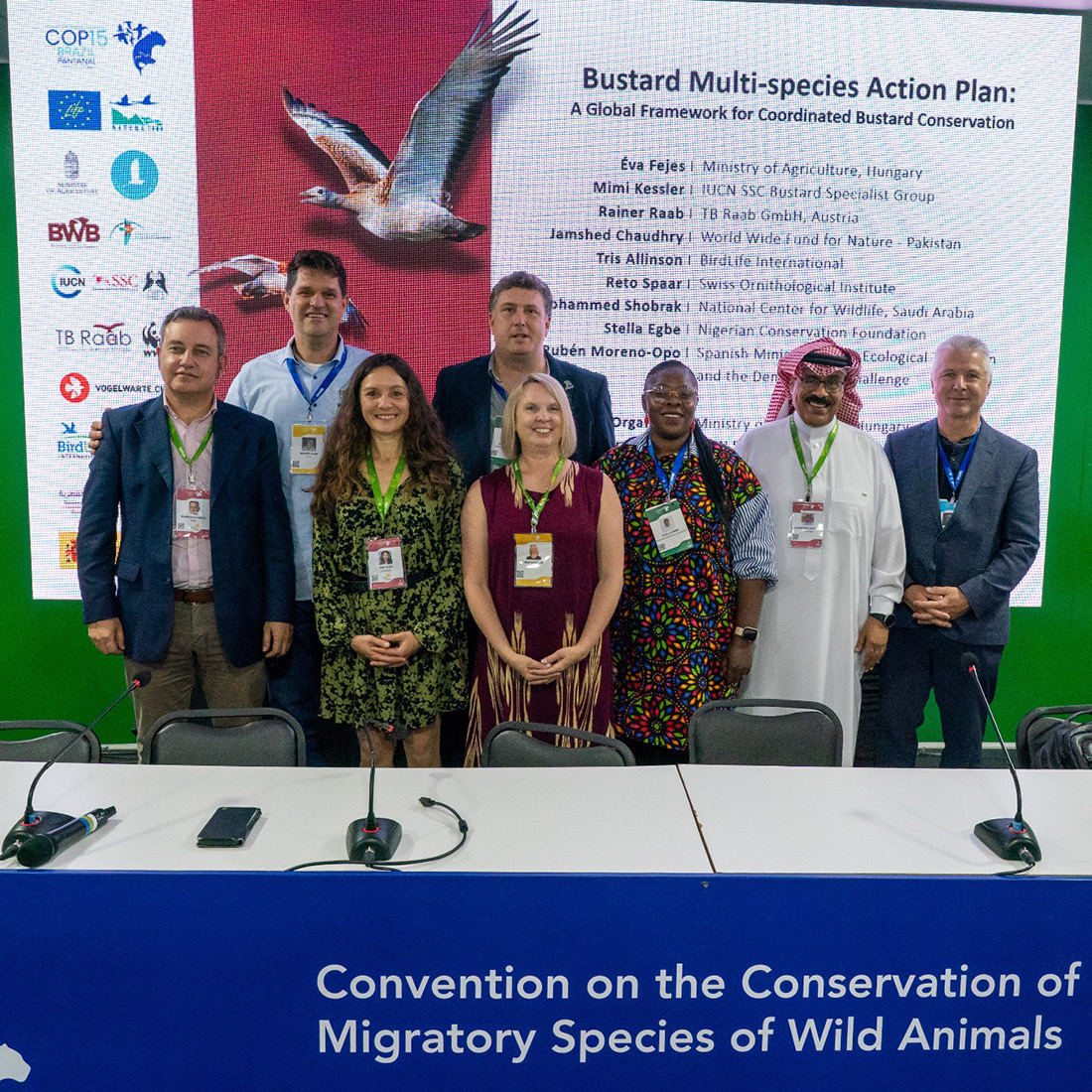
Bustards are one of the world’s most threatened families of terrestrial birds. In March 2026, the Convention on Migratory Species recognized the conservation emergency facing these species through adoption of a landmark Multi-species Action Plan for Bustards at its 15th meeting of Parties (CMS COP15). The plan establishes a coordinated, science-based global framework to protect all 26 species of bustards across 102 range states, launching an unprecedented level of international collaboration for these iconic birds.
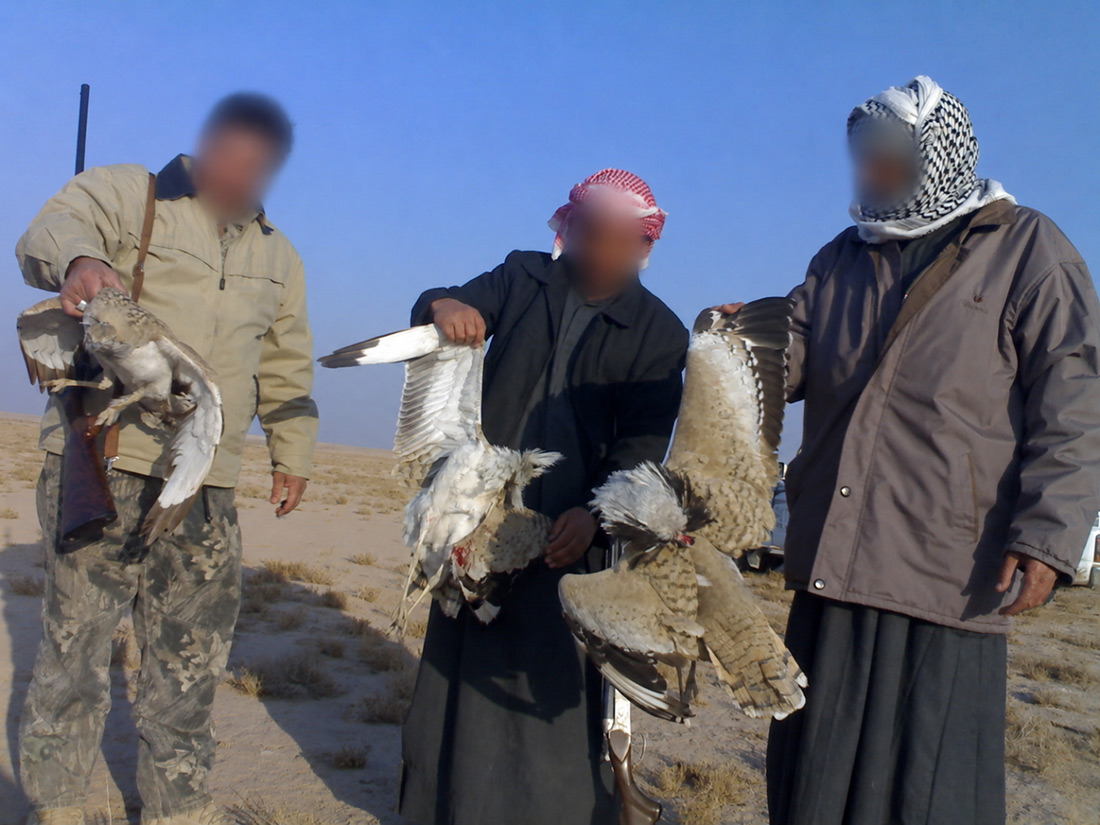
Bustards in the OSME region include the Great Bustard, Little Bustard, Arabian Bustard, and Asian Houbara Bustard. These birds and their charismatic spring breeding displays are emblematic of their steppe and desert ecosystems across the Middle East, Caucasus, and Central Asia. However, many populations in this region are in steep decline due to habitat loss, agricultural intensification, energy infrastructure development, illegal and unsustainable hunting, and climate change.
OSME’s journal Sandgrouse has played a key role in drawing attention to these declines through the publication of special issues which comprehensively addressed the status and threats to the Great and Little Bustard in the OSME region. In recognition of these species’ needs, OSME has also dedicated bursaries to fund conservation work benefiting bustards. Further, many OSME members contributed data and review to the development of the Multi-species Action Plan.
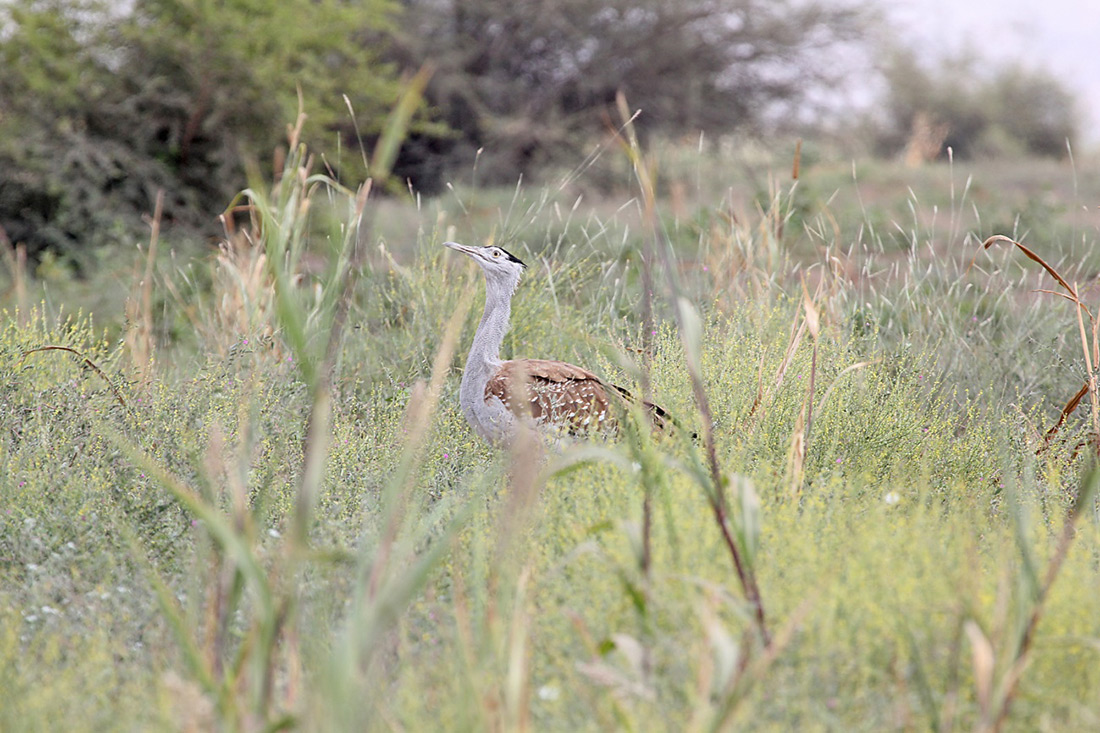
The Bustards Without Borders (BWB) initiative, founded within the CMS African-Eurasian Migratory Landbirds Action Plan (AEMLAP), invites the OSME community to play an active role in the next step: the implementation of the Action Plan’s first Program of Work.
During the first three years, priority actions relevant to the OSME region include:
- Reducing powerline collisions through the identification of mortality hotspots and coordination with energy developers
- Improving our understanding of conflicts between bustards and agriculture, raising awareness of stakeholders, and developing mechanisms to encourage bustard-friendly farming
- Assessing the scale of take and trade in these species, enhancing anti-poaching enforcement, and reducing demand
- Establishing robust population monitoring mechanisms
- Identifying and protecting key habitats across the migratory cycle
- Increasing public awareness of bustards
- And most importantly, halting the loss of additional populations.
Bustards Without Borders’ network of regional coordinators includes four contacts relevant to the OSME region. We look forward to working alongside the OSME community to save our region’s bustards!
Contact details:
Bustards Without Borders
info@bustards-without-borders.org
www.bustards-without-borders.org


Dr. Mimi Kessler is a member of the Coordination Unit, and co-founder of Bustards Without Borders. She serves as Co-chair of the IUCN SSC Bustard Specialist Group, and co-edited two special issues of Sandgrouse, focused on populations of Great and Little Bustards in the OSME region. She resides in Riyadh, Saudi Arabia.